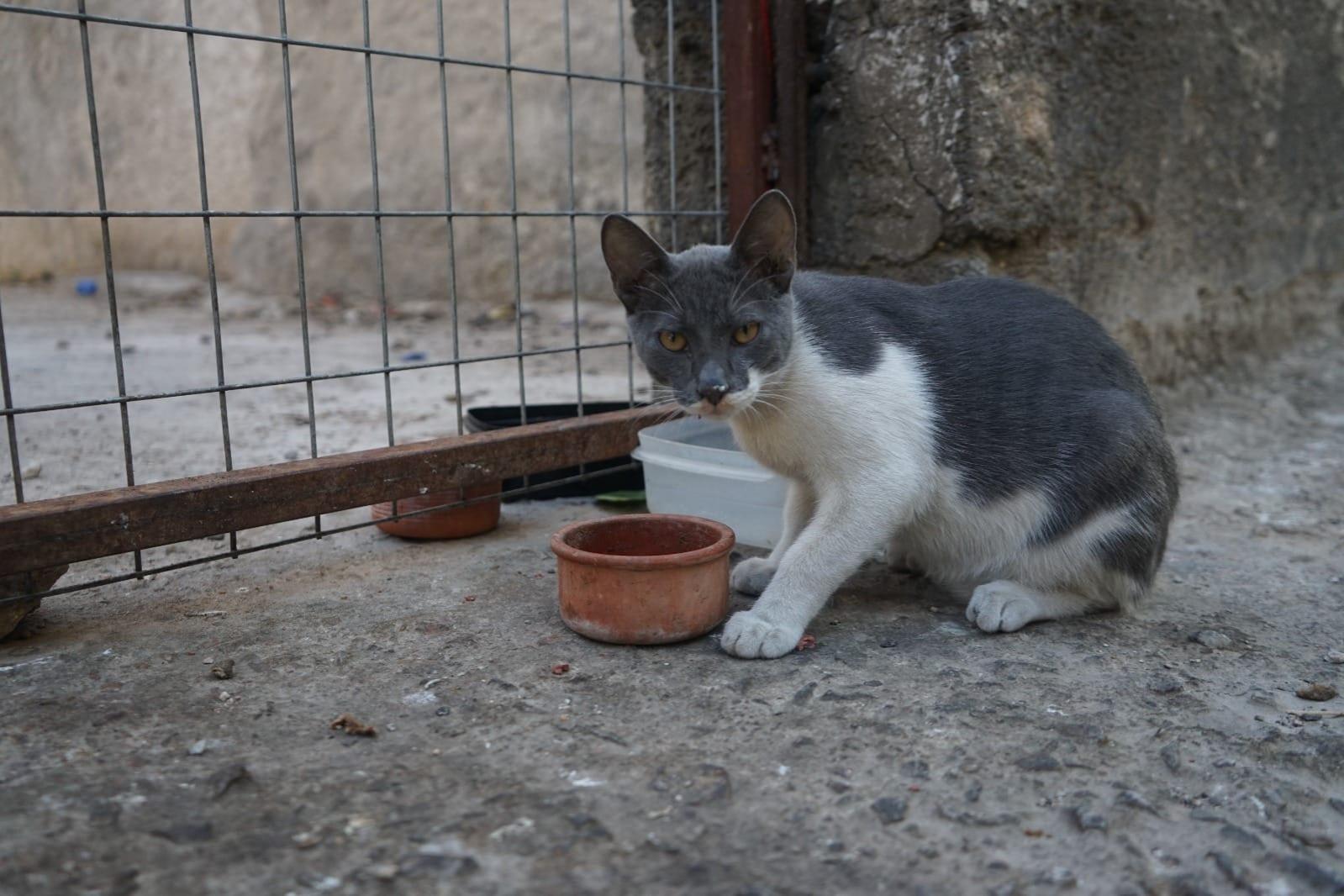
Cyprus is launching an ambitious seven‐year campaign to tackle the growing stray cat population, with the aim of sterilising over one million cats while ensuring each animal’s welfare is maintained. The initiative, unveiled by Animal Welfare Commissioner Antonia Theodosiou, comes against the backdrop of one of the highest ratios of stray cats to humans in the world. With only a modest €100,000 allocated annually to sterilisation efforts at present, local authorities sterilise approximately 2,000 cats each year—a number that falls far short of what is required to curb the widespread overpopulation.
The new plan is being developed with the collaboration of several animal welfare organisations across Cyprus, which have long been calling for more comprehensive measures. The campaign is designed to drastically increase the provision of sterilisation, microchipping, and registration services for stray cats on the island. A key component of the initiative is the emphasis on providing these services free of charge, which is believed to be crucial for achieving a wider public participation and for encouraging responsible feline care.
The severity of the stray cat issue in Cyprus has been a topic of concern among animal welfare advocates and veterinary professionals alike. The current situation is such that many kittens face a life of hardship, suffering from exposure to the elements, a lack of adequate food, and in some instances, poisoning. Volunteers and experts alike have repeatedly warned that the unchecked growth of the stray cat population not only affects the welfare of the animals, but also has broader implications for public health and the environment.
Central to the new strategy is a coordinated nationwide effort. The proposal put forward by the Cyprus Veterinary Association recommends a systematic approach that involves not only the municipalities but also voluntary organisations that have previously been working in the field. The agreement among these groups is clear: only a well-resourced and large-scale initiative will succeed in managing the stray cat population effectively and humanely. The plan does not simply focus on reducing the numbers by preventing reproduction; it also takes into account the overall health and well-being of every cat involved. Sterilised cats, when provided with the right nutrition and veterinary care, can lead healthy lives. This emphasis on welfare is seen as a humane way to address overpopulation without compromising the dignity and quality of life that these animals deserve.
Despite the clear goals outlined in the plan, current funding remains a significant concern. The annual budget of €100,000 is widely regarded as insufficient to manage an initiative of this magnitude. Recognising this challenge, government officials have expressed hopes of increasing the budget allocation for sterilisation in the near future. By doing so, they would be better placed to implement a comprehensive programme that covers not just sterilisation, but also complementary services like microchipping and registration. Ensuring that these services are free to those who provide care for the stray cats is expected to play an important role in the success of the project.
In practical terms, the expansion of sterilisation services would involve a more systematic deployment of veterinary resources across the island. This could include mobile clinics, outreach programmes in communities where stray cats are particularly prevalent, and cooperation with local animal welfare groups that are already in place. Such a coordinated and community-focused approach is expected to yield more consistent results over the seven-year period, gradually bringing the stray cat population under control. Additionally, regular monitoring and evaluation will likely be integral parts of the plan. Concrete targets and performance indicators have been set up to make sure that the campaign is effective, and adjustments can be made as necessary based on the outcomes observed over time.
Observers note that the long-term effects of such a reflective approach might eventually lead not only to better living conditions for the stray cats but also to an overall improvement in community health. A reduction in the stray population can help minimise the risks of various diseases that can be transmitted by animals living close to human settlements. Moreover, controlling the stray population could also lessen the strain on local resources, as the effort aims to reduce the numbers of animals that need feeding and emergency care—a benefit that could have far-reaching implications for the administration and public sectors.
In summary, the new seven-year plan to sterilise over one million stray cats in Cyprus is a major step forward in addressing a long-standing issue. With increased funding, the scaling up of services, and a strong commitment to cat welfare, the initiative seeks to curb the current crisis in a balanced and humane way. While challenges remain due to present funding constraints, the collective efforts of government bodies, veterinary associations, and animal welfare organisations suggest that a significant improvement is on the horizon. This initiative not only aims to reduce the stray cat population but also to establish better standards for animal care and responsible pet ownership across Cyprus.
This approach brings a fresh perspective to the issue by recognising that effective population control can go hand in hand with maintaining high standards of animal welfare. The evolution of the campaign will be closely watched in the coming years, as the impacts on both animal health and public safety could provide valuable lessons for others in similar situations.
Image credit cyprus-mail.com
Original source https://cyprus-mail.com/2025/09/24/animal-welfare-commissioner-announces-stray-cat-sterilisation-campaign