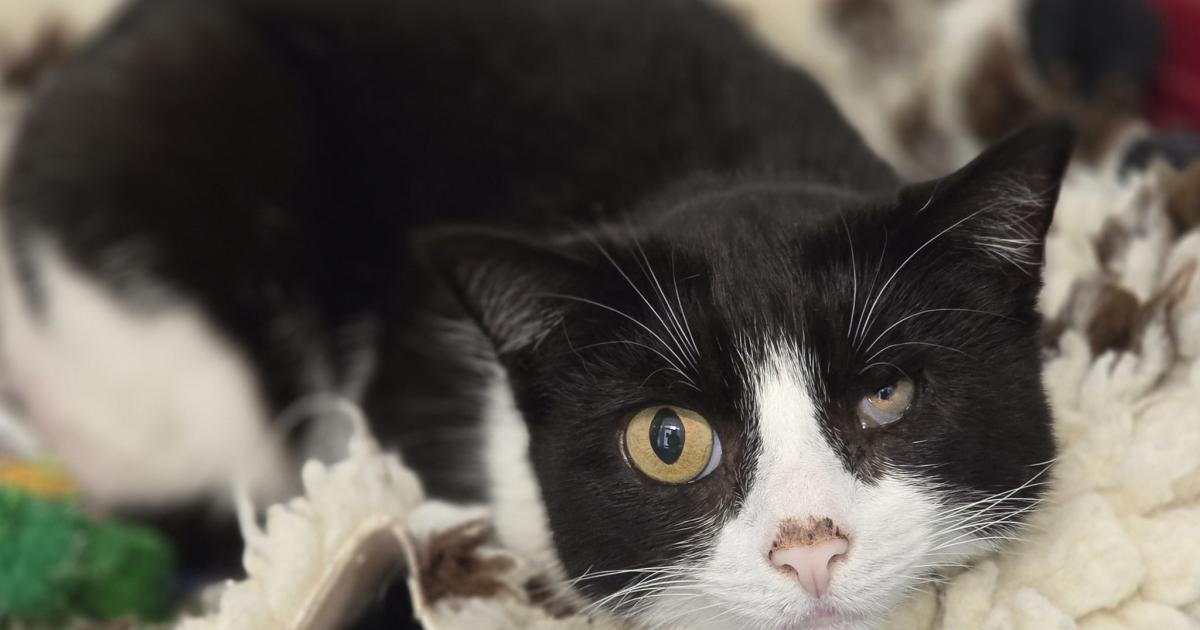
A cat in Barrow-in-Furness, born with a significant facial deformity, has been making steady progress following a specialised surgery designed to correct a severe brachycephalic airway issue. The condition, where a shortened snout and other facial abnormalities interfere with normal breathing, is not uncommon in certain feline breeds. This particular case has drawn attention for both its remarkable recovery and the broader discussion it provokes about feline welfare and responsible breeding practices.
The condition in question affects the nasal passages and, in some instances, the soft palate, which can compromise the flow of air and lead to breathing difficulties. In this instance, the surgical team focused on realigning and reconstructing the affected structures to improve the cat’s ability to breathe properly. Early intervention proved critical, as the surgery was performed before any long‐term complications had taken hold. This swift action helped to alleviate the respiratory challenges that the cat was experiencing, paving the way for a much-improved quality of life.
Post-operative care has been crucial in ensuring the cat’s recovery. Veterinary experts closely monitored her in the days following the procedure, keeping an eye on potential complications such as swelling that could once again hamper her breathing. Their proactive approach allowed for immediate intervention if necessary, further bolstering the chances of a full recovery. This case is a clear example of how modern veterinary techniques and dedicated post-surgical care can make a significant difference in the lives of pets with congenital conditions.
The success of this surgery brings attention to the ongoing debate about breeding practices that often exacerbate these kinds of health issues. Certain breeds are selectively bred for features that can compromise their natural functions, including breathing. This case underlines the risks associated with breeding for extreme physical traits, emphasising that while aesthetic appeal may be a factor in breed popularity, the welfare and health of the animal should remain paramount. Veterinary specialists argue that responsible breeding practices, paired with timely medical intervention, can help mitigate these risks and provide cats with a healthier, more comfortable life.
For cat enthusiasts and pet owners alike, the recovery of this Barrow-in-Furness cat offers an encouraging example of how veterinary care and humane breeding practices can work together to overcome serious health challenges. In addition to highlighting the potential for recovery through surgery, her case also serves as a reminder of the importance of monitoring pets that may suffer from congenital abnormalities. Animal welfare advocates stress that improved awareness and faster intervention can dramatically change outcomes for animals facing similar conditions. By identifying these problems early and addressing them with expert care, veterinarians can help many cats avoid the severe difficulties that can arise from untreated airway issues.
Image credit www.nwemail.co.uk
Original source https://www.nwemail.co.uk/news/25552415.barrow-cat-born-facial-deformity-recovering-surgery/