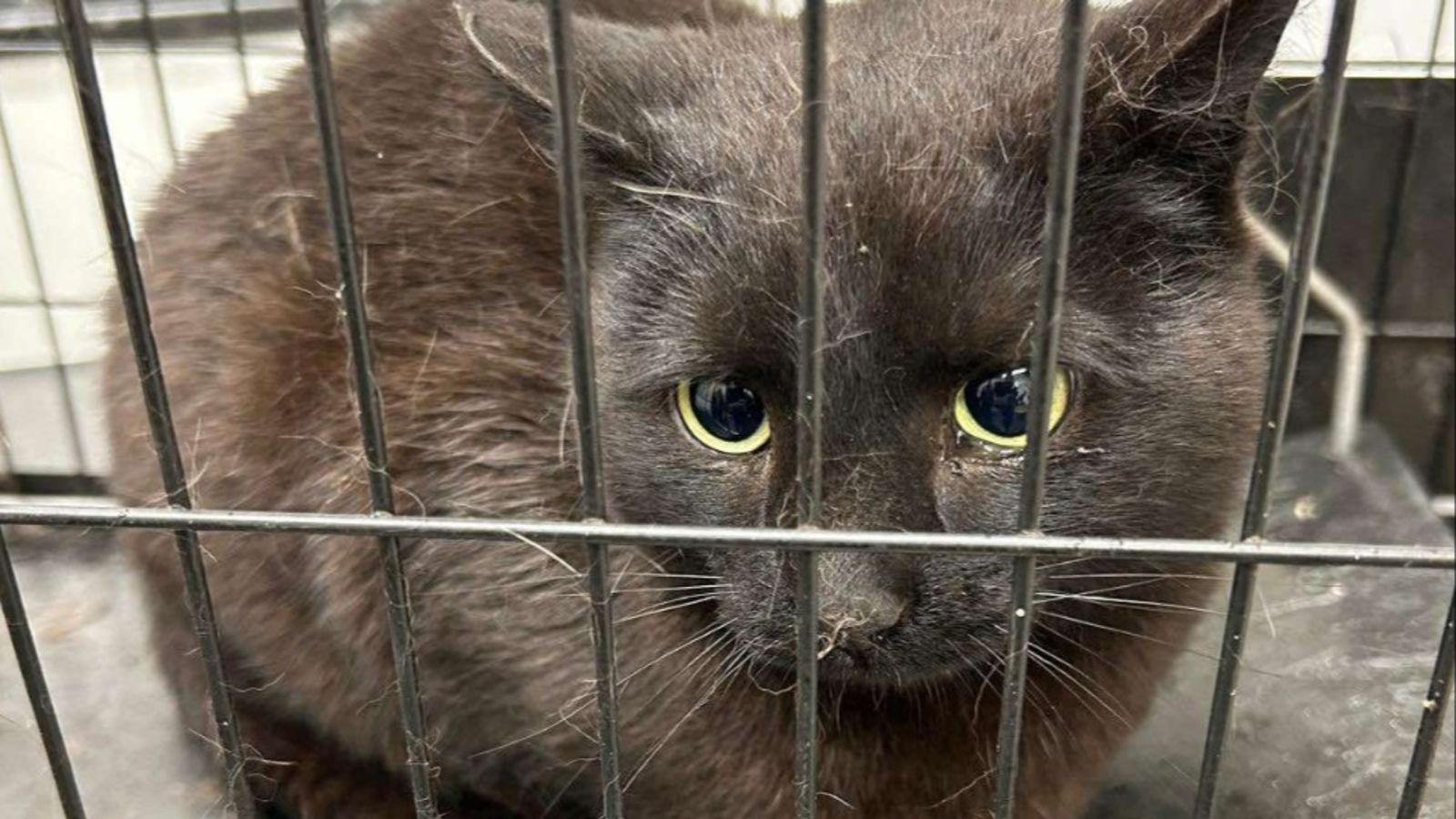
Cheshire is seeing a remarkable story of teamwork and compassion as local animal welfare charities step in to help a colony of wild cats. Nestled around Brooks Lane and the Midpoint industrial estates in Middlewich, this bustling group of feral cats is believed to number as many as 250. The situation is not simple. The cats are used to life in the wild and have little contact with people. This lack of socialisation makes it difficult for anyone to take them into homes where they could be cared for. Instead, generous volunteers have come together to improve the lives of these cats while respecting their natural way of living.
Since October, a dedicated team from Willowsway Cat Rescue in Northwich has been working hard on what is known as a Trap, Neuter, Release (TNR) scheme. This method involves carefully trapping the cats, giving them a check-up that includes neutering and microchipping, and then returning them to the colony. The TNR approach is known as the most humane way to manage wild cat populations. It stops the cats from breeding further, helping to control the colony’s size, without removing them from the environment they know so well. This effort has already seen the return of 99 cats to their familiar surroundings, showing that the work is making a real difference.
The team describing the colony called the task “incredibly challenging”. Feral cats are known for being shy and wary of people. Their natural instincts help them survive in the wild but also make it harder for volunteers to safely handle them. Despite these challenges, the charity has shown perseverance and determination. Their steady work not only safeguards the cats’ health and well-being but also ensures that the community is aware of the importance of looking after these creatures. With the help of local supporters and kind-hearted funders, the work continues, and every successful neutering is a step towards a safer future for both cats and the local environment.
Support has come from several sources. The RSPCA’s branches in Crewe, Nantwich & District and in Altrincham have played a significant role by providing traps and funding for neutering. This support has been crucial, particularly as the charity has already spent around £8,000 on veterinary care and equipment. These funds help cover the cost of medical treatments for the cats and provide essential tools needed to carry out the work. The combined efforts of the charities have not only brought professional skills to the task but have also highlighted the value of working together to solve community challenges.
Managing the health of feral cat colonies is a matter of great concern, especially in today’s economic climate. The charities involved are keen to promote early neutering and to remind all who care for their pets of the importance of seeking regular veterinary care. In a world where unexpected expenses can be a heavy burden, advice such as obtaining neutering vouchers or considering pet insurance is shared with pet owners. These steps can help ensure that more cats, whether they are pet cats or feral cats being cared for by volunteers, receive the best possible care without undue financial stress.
The work being undertaken in Cheshire also serves as a reminder of the role that local actions can play in larger animal welfare issues. Not every cat needs a home to be cared for; sometimes the greatest act of care is to help them live freely with a little extra help from those who understand the delicate balance of nature. The successful application of the TNR method in this case stands as a hopeful sign for other areas facing similar challenges. It shows that with proper planning, dedication, and the support of organisations like the RSPCA and Willowsway Cat Rescue, progress can be made even in the most testing of circumstances.
Image credit www.itv.com
Original source https://www.itv.com/news/granada/2025-05-20/animal-welfare-charities-come-together-to-help-huge-feral-cat-colony-in-cheshire