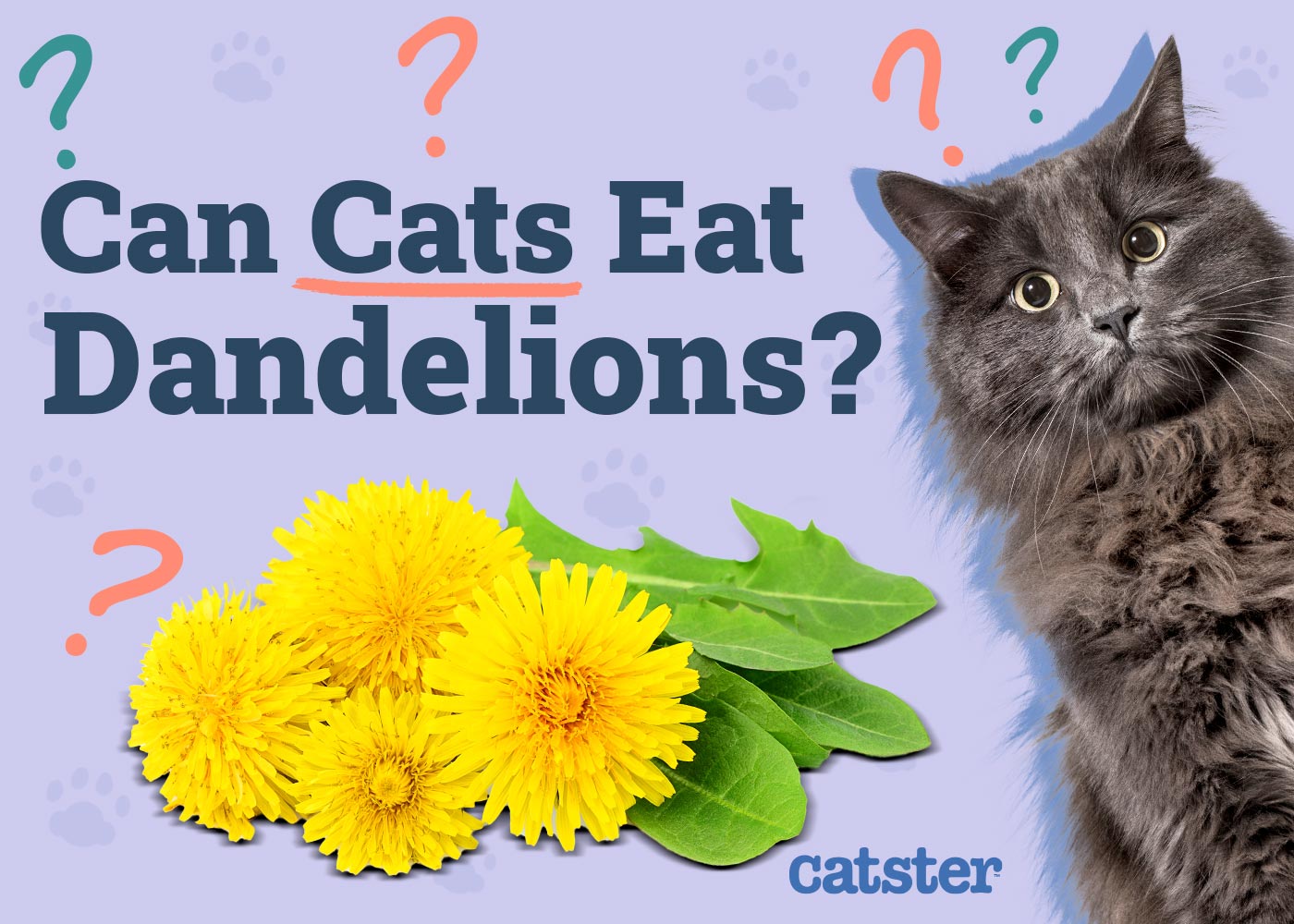
Dandelions in the Garden: A Safe and Nutritious Treat for Your Cat
When your feline friend pads through the garden and pauses to nibble on a bright yellow dandelion, you might wonder whether these cheerful weeds are doing more harm than good. In fact, dandelions can be a perfectly safe snack for cats—as long as you keep a few simple precautions in mind. Let’s explore why these humble flowers could offer a little boost to your cat’s health, and how you can introduce them safely into their diet.
Many pet owners assume that anything green is bad for a cat’s tummy. After all, cats are obligate carnivores, which means they thrive on meat rather than plant matter. Yet dandelions are packed with beneficial nutrients that may support your cat’s overall well-being. These common garden blooms contain a wealth of vitamins, including A, B-complex, C, D, E and K. They also carry essential minerals such as iron, calcium, potassium and magnesium. In combination, these elements help maintain healthy digestion, encourage liver function, strengthen the immune system and provide antioxidants to guard against cellular damage.
Of course, no one expects a cat to live on dandelions alone. Their meat-based diet should remain the cornerstone of their nutrition. However, offering a small dandelion leaf now and then can be thought of much like the occasional slice of apple or blueberry you might share with a dog. It’s a supplementary treat that enriches variety without replacing the balanced meal your cat needs. Before you offer a dandelion snack, be sure to check that the plants have not been treated with pesticides, herbicides or other garden chemicals. Contaminated flowers can lead to uneasy tummies, with symptoms ranging from vomiting and diarrhoea to bouts of lethargy or loss of appetite.
Harvesting dandelions for your cat is simple, provided you follow a few safety steps. First, choose plants from a clean, pesticide-free area. City pavements and roadside verges are best avoided because of potential pollution. Next, give the leaves and flower heads a thorough rinse in cool water. This removes any lingering dirt or bugs and ensures your pet is enjoying a clean snack. Finally, introduce the dandelion in very small amounts. Some cats will leap at the chance to crunch on a leafy treat, while others may take a more cautious sniff and walk away. Either way, it pays to watch for any signs of discomfort or digestive upset over the next 24 hours.
If your cat is elderly, has a sensitive stomach or already takes medication, it is wise to check with your veterinary surgeon before adding dandelions to their routine. While these flowers are not toxic by nature, every animal has its own individual quirks and health considerations. Your vet can advise whether an occasional nibble is safe alongside your pet’s specific diet and medical history.
Once you have the green light from your vet and you’ve tested your cat’s reaction, you may find that dandelions become a regular seasonal treat. Some feline companions enjoy gently chomping on the tender stem, while others prefer to nibble around the base of the flower head. Wherever you spot your cat in the garden, it’s lovely to know that those sunny yellow blooms can offer more than just decoration. They bring a small dose of natural nutrients and a fresh change of taste that even the fussiest felines might appreciate.
Beyond vitamins and minerals, sharing a dandelion with your cat can strengthen the bond between the two of you. Offering a new snack shows that you understand their curious nature and want to keep them both happy and healthy. And because dandelions grow in most gardens throughout spring and early summer, you’ll find a ready supply when those blossoms appear.
Here are a few final pointers to keep dandelion snacking safe and enjoyable:
• Always pick from a chemical-free area and wash thoroughly.
• Start with a tiny piece and let your cat decide if they like it.
• Watch for any signs of an upset stomach, such as vomiting or loose stools.
• Consult your vet if your cat is older, has known health conditions or is on any medication.
By treating dandelions as an occasional extra to your cat’s meat-based diet, you allow your pet to enjoy a bit of garden fun without compromising on their core nutritional needs. As long as you remain mindful of sourcing and quantity, those bright yellow flowers can be a harmless—and even helpful—addition to your cat’s grazing repertoire.
Image credit www.catster.com
Original source https://www.catster.com/nutrition/can-cats-eat-dandelions/