How Long Does It Take Your Cat to Digest a Meal? A Purrfect Peek Into Kitty’s Tummy
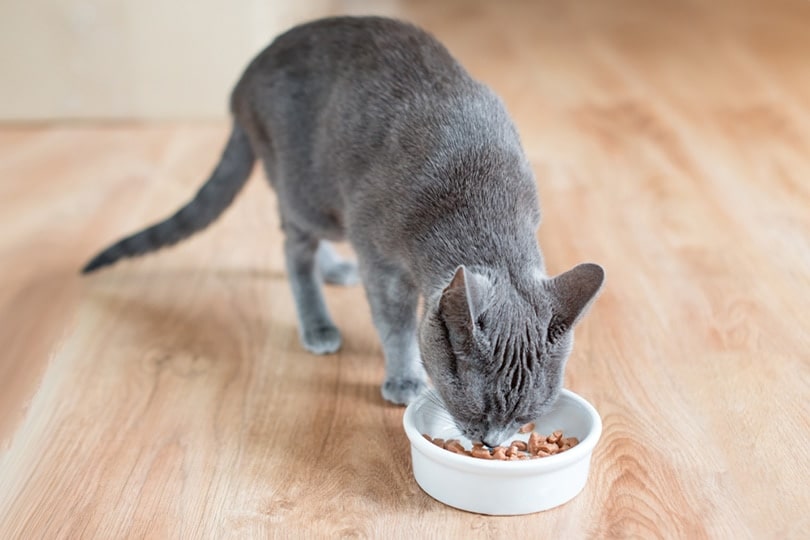
Every cat owner knows the joy of watching their furry friend tuck into a bowl of food, but have you ever paused to wonder what happens next? From that first enthusiastic bite to the moment your cat leaves you that little gift on the carpet, there is a fascinating journey taking place inside their tummy. Understanding how long digestion really takes can help you spot any tummy troubles, keep your pet healthy and create a feeding routine that works for both of you.
As a rule of thumb, most cats take between twelve and twenty-four hours to process their food from mouth to waste. In some cases, digestion can stretch out to twenty-six or even thirty-five hours, depending on your cat’s individual make-up and the type of food served. While that might sound like a long time, every phase of this process is crucial for turning a meal into the energy and nutrients your cat needs.
It all begins in the stomach. When your cat swallows, liquids slip through quickly, often within minutes. Solids, on the other hand, can linger for up to three hours as gastric juices break down meat, fish or kibble into smaller, digestible pieces. Next comes the small intestine, which is the busiest station on this journey. Here, most of the vital nutrients your cat needs—proteins, fats and certain vitamins—are absorbed into the bloodstream. Because this is where the lion’s share of nutrient uptake happens, it tends to be the most time-consuming leg of the journey.
After the small intestine does its work, the remaining material moves into the large intestine. Water is reclaimed here, forming the waste that finally makes its exit. This final stage can take several more hours, bringing the total transit time to a full day or more. In many households, this cycle means you might notice your cat asking to be fed again after eight to ten hours, especially if their stomach has cleared out and they’re ready for the next round of calories.
Diet plays a big role in how quickly everything moves along. Wet food, with its high moisture content, often travels faster through your cat’s system. Dry kibble, which typically contains more carbohydrates and less water, may require a bit more effort and time to break down. This doesn’t mean one option is right or wrong, but knowing the difference can help you choose the feeding schedule and portion size that best suits your cat.
Age matters, too, though perhaps not as much as you might think. Kittens often digest food a touch more quickly than their adult counterparts, simply because they are growing so rapidly and their metabolism is revving at high speed. Older cats can slow down a little, but the overall process remains similar. If you ever notice a sudden shift—like your mature cat’s digestion taking much longer than usual—it might be worth checking in with your vet to rule out any health issues.
Cats are obligate carnivores, which means their digestive tracts are specially adapted for a meat-based diet. They aren’t designed to handle large amounts of plant matter or non-food items. If your cat has a habit of chewing on plastic toys or sneaking bits of string, there is a real risk of blockages. Veterinary help is essential if you suspect your cat has swallowed something it shouldn’t. Likewise, excessive grooming can lead to hairball build-ups that slow digestion and cause discomfort. A little extra brushing can go a long way in keeping those hairs out of the gut and off your favourite sofa.
In recent years, pet nutritionists have highlighted the benefits of adding probiotics or prebiotics to a cat’s diet. These friendly bacteria help maintain a balanced gut microbiome, supporting healthy digestion and promoting a stronger immune system. Often available as powders or treats, they can be a simple addition if you sense your cat’s tummy is a bit unsettled. Of course, always consult your vet before making any big changes to diet or supplements.
Deciding how and when to feed your cat is a personal choice for every household. Some owners swear by twice-daily meals served at set times, while others prefer free feeding—leaving dry kibble out so the cat can graze at will. A hybrid approach is also common: offering wet food in measured portions at meal times, then letting your cat nibble on dry food throughout the day. No matter which method you choose, keeping an eye on appetite, digestion and general behaviour will let you know if adjustments are needed.
Recognising the signs of healthy digestion is just as important as understanding how it works. A regular rhythm of meals, followed by normal-looking stools and a bright, playful demeanour, indicates that your cat is thriving. If you spot persistent vomiting, diarrhoea or any shifts in energy levels, it’s time to put digestion under the microscope and seek professional advice.
By getting to grips with your cat’s digestive timetable, you can ensure that each meal contributes to shiny fur, boundless energy and a robust immune system. Mealtimes become not just a daily necessity but an opportunity for bonding, where you provide nourishment and care in equal measure. Armed with this knowledge, you’ll be better equipped to keep your whiskered companion purring with contentment and health.
Have these insights changed the way you think about cat feeding? Pass this article on to fellow cat lovers so everyone can gain a clearer window into kitty’s tummy. Your cat will thank you with extra purrs and maybe even an enthusiastic meow for dinner.
Image credit www.catster.com
Original source https://www.catster.com/cat-health-care/how-long-does-it-take-for-a-cat-to-digest-food/