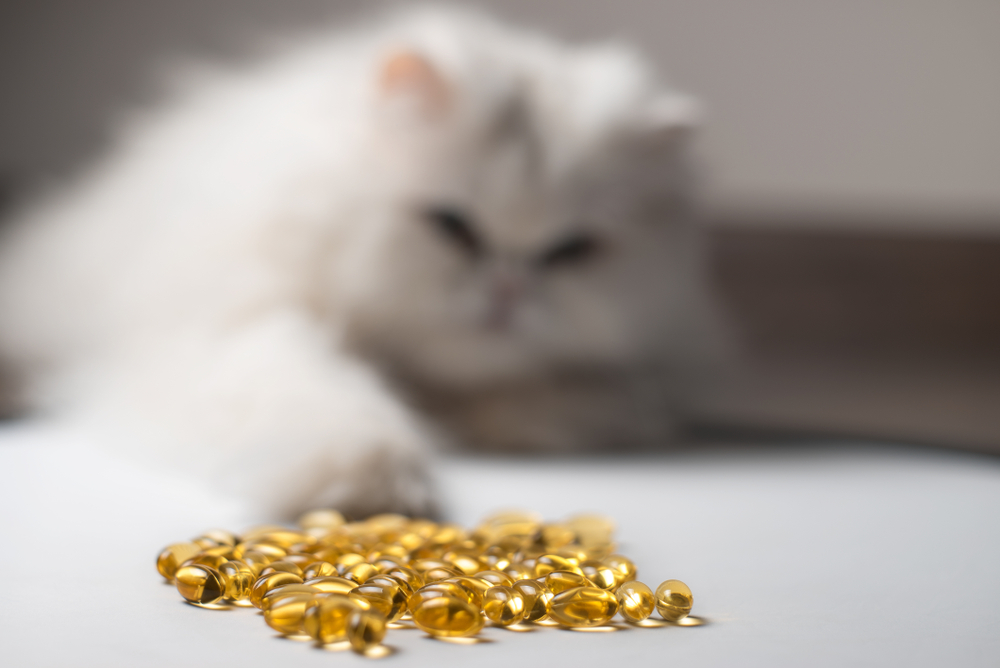
Cats bring joy and warmth into our homes with their gentle purrs and playful antics. As loving owners, we always look for ways to keep them healthy and happy. One simple but powerful addition to a cat’s diet is omega-3 fatty acids. Found chiefly in fish oil, these essential fats—known as EPA and DHA—offer a range of benefits that go from the tip of a cat’s nose to the end of its tail.
Imagine brushing your cat and watching loose hairs tumble away fewer and fewer each day. Omega-3 fatty acids help maintain a moisturised, shiny coat that sheds less. They work deep in the skin to soothe any dryness or irritation. Cats prone to itchy hotspots or flaky patches often find relief when their diet includes a steady source of these fats. A soft, glossy coat is not just about looks; it cuts down on hairballs too. When fur stays in place, less of it is swallowed during grooming.
The perks of omega-3s reach beyond fur and skin. As cats age, arthritis can make joints stiff and sore. Omega-3s have natural anti-inflammatory powers that can ease discomfort and improve mobility. A senior cat that once struggled with a single stair may find itself leaping to favourite resting spots once more. Kittens and younger cats also benefit, as these fats support healthy growth and energetic play.
Kidney health is another area where omega-3s shine. Cats are particularly prone to kidney disease, which can affect their well-being over time. Regular intake of EPA and DHA may help lower blood pressure, protect kidney function and even reduce protein loss in urine. By including omega-3s, many owners notice their pets stay more vibrant into their later years.
Inflammation in the digestive tract often leads to uncomfortable tummy troubles. Conditions such as inflammatory bowel disease can cause upset and distress. Here too, omega-3 fatty acids lend their soothing touch, helping ease the lining of the gut and supporting overall digestive health. A calmer tummy often means a happier, more energetic cat ready for playtime.
The heart and immune system also reap the rewards. Omega-3s support healthy blood flow and can guard against certain heart conditions. They also help keep the immune system strong, giving cats a better chance to resist infections and stay in fine form.
Introducing omega-3s into your cat’s routine can take a few forms. Many pet owners turn to fish oil supplements, available in capsule or liquid form. These can be mixed into food for a fuss-free solution. For those who prefer a natural treat, small servings of cooked oily fish—such as salmon—offer a tasty boost. Always ensure the fish is thoroughly cooked, free of bones and prepared safely. If your cat has a fish allergy, krill oil can serve as an alternative source of EPA and DHA.
Every cat is unique, and dietary needs can vary with age, breed and health status. It’s wise to have a chat with your vet before making any changes. They can advise on the right dosage and type of supplement for your feline friend. Starting with the right balance ensures your cat enjoys the full benefits without any concerns.
Seeing your cat spring with vitality, sporting a silky coat and enjoying comfortable joints is reward enough. Omega-3 fatty acids play a quiet yet powerful role in making these improvements possible. Including a reliable source of EPA and DHA can set the stage for many more years of contented purring and playful leaps.
If your cat is already delighting you with boundless energy and sleek fur, omega-3s can help maintain that peak condition. For cats facing specific health challenges, these essential fats may provide the extra support they need. Either way, adding omega-3 to your cat’s diet is a positive step towards lifelong wellness.
Happy cats make for happy homes. Share this article with fellow cat lovers and help every feline enjoy the gift of omega-3 goodness. Let your friends discover how a simple dietary tweak can lead to a softer coat, freer movement and a brighter outlook for their cherished companions.
Image credit www.catster.com
Original source https://www.catster.com/ask-the-vet/omega-3-for-cats/